 Translate
The Art of Sourcing Premium Indian Spices: How We Trace Turmeric and Pepper From Farm to Freight
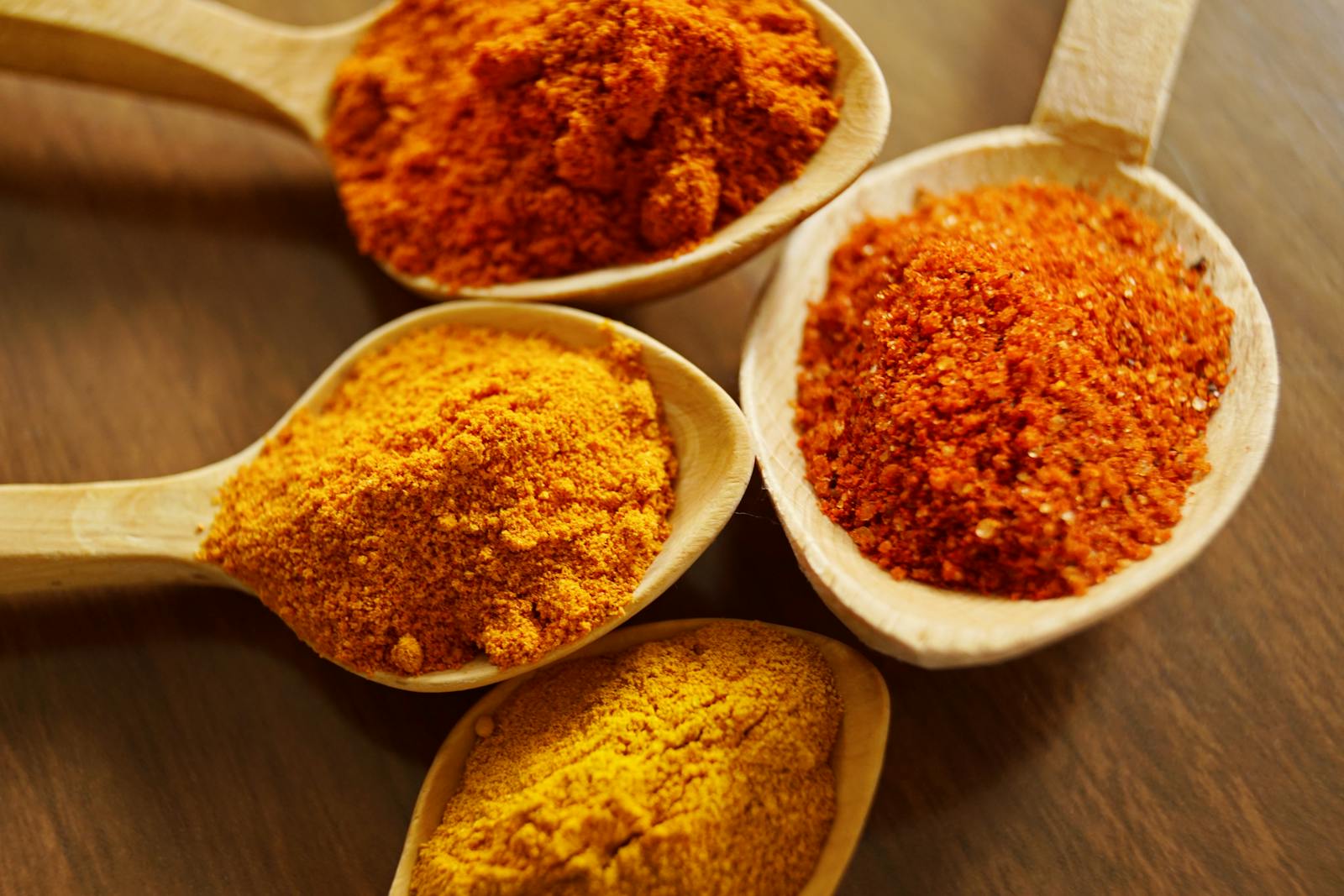
How premium Indian spice sourcing works, from turmeric farms in Erode to pepper estates in Wayanad, and why traceability defines quality, safety, and flavor.
Introduction A jar of turmeric on a kitchen shelf rarely tells you where it came from. It doesn't say which soil the rhizome grew in, how it was dried, or how many hands touched it before it reached a warehouse. Yet all of that history shapes the color, aroma, and safety of the spice inside. Sourcing premium Indian spices is not simply a matter of buying in bulk from the largest available supplier. It is a discipline built around traceability: knowing exactly which farm, which harvest, and which processing method produced a batch of turmeric or pepper before it ever leaves the country. This article walks through how that process actually works, the checkpoints between farm and freight, and why origin matters far more than most buyers realize. Why Origin Is the First Quality Signal Turmeric grown in Erode, Tamil Nadu, behaves differently from turmeric grown in Sangli, Maharashtra. Soil composition, rainfall patterns, and altitude all influence curcumin content, the compound responsible for turmeric's color and much of its perceived potency. Pepper is similarly sensitive to terroir. Malabar pepper from Kerala's Wayanad and Idukki districts has a distinct pungency profile compared to pepper grown in Karnataka's Coorg region. For a sourcing team, this means the buying decision starts long before a purchase order is written. It starts with selecting the right growing region for the intended use case, whether that's a culinary blend that needs bright color, an extract manufacturer that needs high curcumin concentration, or an export buyer with a specific piperine requirement for pepper. Common Misconception: All Turmeric Is the Same Many buyers assume turmeric is a commodity where price is the only meaningful variable. In practice, curcumin content in raw turmeric can vary noticeably between regions and even between farms in the same district, depending on variety and harvest timing. Treating turmeric as interchangeable often leads to inconsistent product quality further down the supply chain. Step One: Farm-Level Selection and Farmer Relationships Premium sourcing usually begins with direct or semi-direct relationships with farmers, rather than relying solely on open-market auctions. This allows a sourcing company to: • Verify which variety of turmeric or pepper is being cultivated • Understand the farming practices used, including pesticide and fertilizer application • Track harvest timing, since immature harvesting reduces curcumin or piperine content • Build long-term consistency across seasons, rather than chasing the lowest price each cycle Some sourcing operations work through farmer producer organizations (FPOs), which aggregate smallholder output while still allowing traceability back to specific farms or clusters. Others maintain contracts with individual growers who meet defined quality benchmarks. This stage is where most quality problems are either prevented or created. A batch of pepper harvested too early, or turmeric boiled and dried with inconsistent technique, cannot be fully corrected later in the supply chain. Step Two: Primary Processing at Origin Once harvested, spices go through initial processing close to the farm, since delays reduce quality and increase the risk of contamination. For turmeric, this typically involves: 1. Boiling the fresh rhizomes to gelatinize the starch and stabilize color 2. Drying, traditionally through sun exposure or increasingly through mechanical dryers for consistency 3. Polishing to remove the rough outer skin 4. Initial grading by size and appearance For pepper, the process includes: 1. Harvesting berries at the correct maturity stage 2. Threshing to separate berries from the vine 3. Sun-drying, which turns green pepper berries black 4. Sorting to remove immature, broken, or discolored berries Mechanical drying has become more common because it reduces exposure to dust, insects, and unpredictable weather, all of which affect microbial load and can trigger safety concerns for export markets. Buyers with strict food safety requirements often prefer suppliers who have moved away from open sun-drying on the ground. Step Three: Laboratory Testing and Verification Before any spice batch moves toward export packaging, it typically passes through quality testing. This is where subjective judgments about "premium" quality get converted into measurable data. Key parameters tested include: • Turmeric — Curcumin content, moisture level, extraneous matter, microbial load • Pepper — Piperine content, bulk density, moisture level, foreign matter, aflatoxin screening Reputable exporters test for heavy metals, pesticide residues, and microbial contamination such as salmonella, particularly for shipments headed to markets with strict regulatory frameworks like the European Union or the United States. Because pesticide residue limits and permitted additive levels vary by destination country, sourcing teams generally cross-check current requirements from the importing country's food safety authority rather than relying on outdated internal reference lists. Practical Implication for Buyers If a supplier cannot produce a certificate of analysis for curcumin content, moisture level, or microbial testing, that is a meaningful red flag. It usually means the batch has not gone through structured quality verification, regardless of how the product is marketed. Step Four: Aggregation, Cleaning, and Grading Once verified, batches from multiple farms or clusters are aggregated at a processing facility. Here, spices go through: • Mechanical cleaning to remove stones, dust, and plant debris • Color sorting, often using optical sorting machines for consistency at scale • Steam sterilization, which reduces microbial load without altering flavor as significantly as some chemical treatments • Final grading into categories based on size, color, and purity This stage matters because it is where inconsistent farm-level output gets standardized into a uniform, sellable product. A buyer purchasing a specific grade should receive consistent quality across every shipment, not just the first sample. Step Five: Traceability Documentation Traceability is not just a marketing term. In practice, it means a supplier can answer questions such as: which farm cluster did this specific lot originate from, when was it harvested, and which processing facility handled it. This documentation typically includes: • Farm or cluster identification codes • Harvest date records • Processing facility logs • Laboratory test certificates for each batch • Export documentation, including phytosanitary certificates For buyers in regulated industries such as pharmaceuticals, nutraceuticals, or branded food products, this paperwork is not optional. Regulatory audits and customer due diligence increasingly require a clear chain of custody from farm to final product. Step Six: Packaging and Freight The final stage before export involves packaging suited to the destination and mode of transport. Moisture-resistant packaging matters enormously here, since both turmeric and pepper are sensitive to humidity, which can encourage mold growth or clumping during long sea voyages. Common packaging formats include food-grade polypropylene bags with moisture barriers, vacuum-sealed pouches for smaller premium lots, and bulk containers for large industrial buyers. Container loading also requires attention to ventilation and temperature control, since a poorly loaded container can result in condensation damage that ruins an otherwise high-quality batch. Why Origin Matters More Than Price Alone A buyer focused purely on the lowest per-kilogram price often ends up absorbing hidden costs later: rejected shipments due to failed lab tests, inconsistent flavor across batches, or reputational damage from a contamination issue. Verified origin and documented traceability reduce these risks by making quality predictable rather than a matter of chance. Origin also matters for authenticity claims. Products marketed as genuine Malabar pepper or Alleppey turmeric carry expectations tied to specific growing regions. Substituting spices from other regions while using these names undermines both consumer trust and, in some cases, geographical indication protections. Key Takeaways • Curcumin and piperine content vary meaningfully by growing region, so origin directly affects quality. • Farm-level relationships and harvest timing set the ceiling for final product quality. • Laboratory testing for microbial load, pesticide residue, and active compound content is essential, not optional. • Traceability documentation protects buyers in regulated industries and supports authenticity claims. • Packaging and freight handling can undo good farm-level work if moisture control is neglected. Frequently Asked Questions What makes Indian turmeric different from turmeric grown elsewhere? Indian turmeric, particularly from regions like Erode and Sangli, is often prized for its curcumin content and color, though quality still varies by variety, farm practice, and harvest timing rather than by nationality alone. How is curcumin content measured? Curcumin content is typically measured through laboratory methods such as high-performance liquid chromatography (HPLC), which gives an accurate percentage reading rather than relying on visual color assessment alone. Why does moisture control matter so much during shipping? Excess moisture encourages mold growth and clumping in both turmeric and pepper, which can lead to rejected shipments or reduced shelf life even if the spice was high quality at the point of origin. What is the difference between black, white, and green pepper? They come from the same pepper plant but differ in harvest timing and processing. Black pepper is harvested slightly underripe and sun-dried whole, white pepper has the outer skin removed after soaking, and green pepper is harvested unripe and preserved before full drying. How can a buyer verify a supplier's traceability claims? Ask for batch-level documentation, including farm or cluster codes, harvest dates, and laboratory test certificates, and cross-check that the certificates correspond to the specific lot being purchased rather than a general company average. Are pesticide residue limits the same everywhere? No. Maximum residue limits vary by destination country and are set by each market's food safety regulator, so sourcing teams need to verify current limits for the specific export market rather than assuming a single global standard. Conclusion Sourcing premium Indian spices is less about finding a supplier with an attractive price sheet and more about building a system where every batch can be traced back to a specific farm, harvest, and processing method. Turmeric and pepper are agricultural products first, shaped by soil, climate, and human handling long before they become a spice in someone's kitchen. Buyers who understand this, and who ask suppliers for the documentation to prove it, end up with a more consistent, safer, and genuinely premium product. Ready to see traceability in action? If your business sources turmeric, pepper, or other spices, request a batch‑level sample report from Exora. It's the fastest way to see how much visibility you actually get into your spice supply chain.
